Source Korea Strong Portable Nail Drill for Home, Salon, and Commercial Use
Explore 30 options for a korea strong portable nail drill suitable for home, commercial, and manicure salon applications. Compare models like UV-1007 and M11, featuring speeds up to 35000rpm, USB charging, and various plug types to find the right fit for your business needs.
Key considerations
Products List


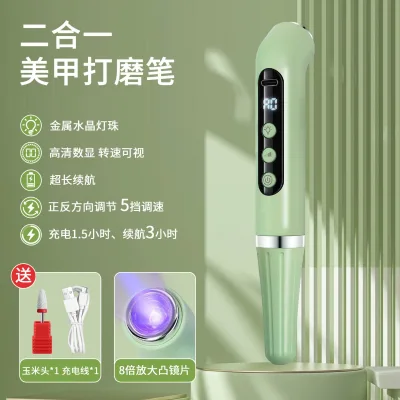
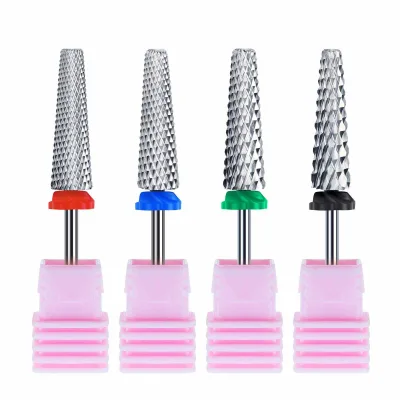


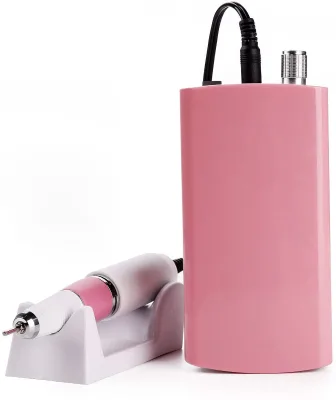


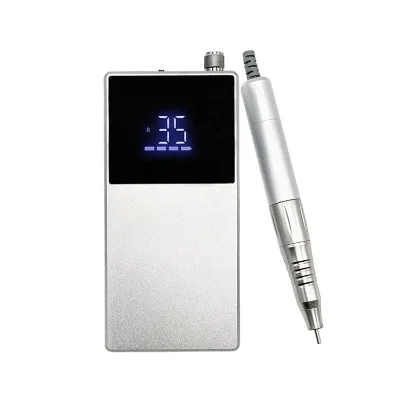
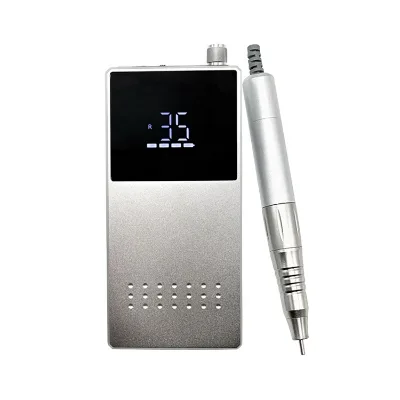
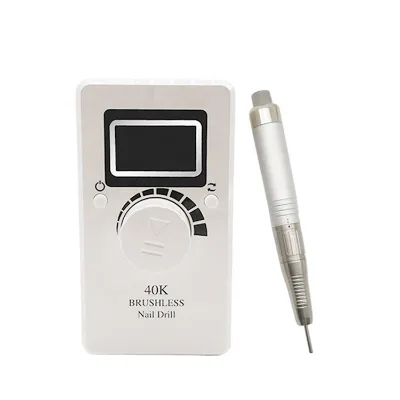
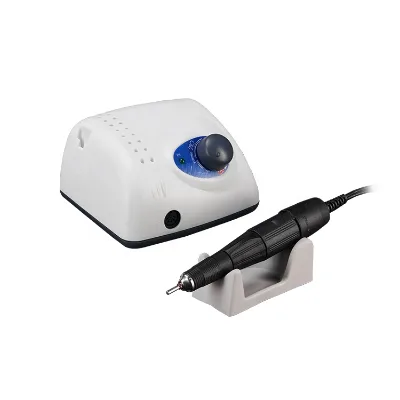
Comprehensive Sourcing Guide
Korea Strong Portable Nail Drill Sourcing Guide
Sourcing a Korea strong portable nail drill requires distinguishing between high-speed commercial units and versatile home models based on specific operational needs. The observed market data indicates a wide range of power outputs, from 10W to 7500mAh battery capacities, suggesting that buyers must first define whether the primary use case is for a busy salon or individual home maintenance. Understanding these distinct power profiles is essential before evaluating supplier claims, as the performance requirements for professional daily use differ significantly from occasional personal grooming tasks.
Buyers should also scrutinize the customization options available, as the supply chain offers both customized and non-customized variants with varying logo acceptance policies. The presence of specific models like the UV-1007 and M11 suggests that product differentiation often hinges on motor speed and battery technology rather than just aesthetic design. Procurement teams must verify if the supplier can accommodate specific branding requests while maintaining the structural integrity of the device, ensuring that the final product aligns with the intended market positioning and brand identity.
Product Scope and Observed Listing Signals
The product scope for portable nail drills in this category spans from basic home units to advanced commercial machines capable of speeds up to 35,000 RPM. Listings reveal a diverse array of specifications, including magnetic adhesive methods and rotary directions that allow for both forward and reverse operation. This variability means that a single procurement order might need to accommodate different functional requirements, necessitating a clear breakdown of which features are mandatory for the target customer segment versus those that are merely desirable add-ons.
Observed listing signals also highlight significant differences in packaging and physical dimensions, ranging from compact gift boxes to standard carton boxes with specific internal measurements. Some units are marketed with a "Luxe" design style and glossy surface finishes, while others prioritize functional attributes like high speed and rechargeable capabilities. Buyers must carefully cross-reference these visual and descriptive signals with actual technical data to ensure that the aesthetic claims do not overshadow the critical performance metrics required for safe and effective nail care operations.
Technical Specifications to Verify
Verifying motor speed and power output is the most critical technical step, as observed ranges vary from 0-400 RPM for low-speed applications to 0-35,000 RPM for high-performance drilling. Buyers must confirm that the specific model selected, such as the ND06-606 or U9, delivers the advertised torque and speed consistency under load. It is essential to request detailed performance charts that demonstrate how the drill maintains speed when encountering different nail densities, ensuring that the device will not stall or overheat during extended commercial use.
Battery capacity and charging infrastructure also require rigorous verification, with observed specifications including 7500mAh rechargeable units and USB charging capabilities. The charging time of up to 8 hours noted in some listings suggests that operational downtime must be factored into the procurement plan, especially for high-volume salon environments. Buyers should validate the actual output voltage, such as the 5V 2.1A standard, and ensure that the included plug types match the EU, US, UK, or AU standards required for the destination market to prevent compatibility issues.
Compliance and Safety Documentation
Safety compliance is paramount when sourcing electrical beauty devices, and buyers must demand valid CE and RoHS certification documents for every batch produced. While some listings mention these certifications, the verification process must go beyond the product page to include third-party test reports that confirm the device meets international safety standards for electrical appliances. This documentation ensures that the product does not pose risks of electric shock, overheating, or chemical exposure, which are critical concerns for both commercial operators and end consumers.
In addition to electrical safety, buyers should verify that the product standards align with the specific regulatory requirements of the target export markets. The observed data mentions standards related to dimensions and plug types, but these must be cross-referenced with local regulations regarding battery safety and electromagnetic compatibility. Ensuring that the supplier provides up-to-date compliance certificates for each model, such as the SK-ND01 or FCM-01, protects the buyer from potential customs seizures and liability issues in the event of a product failure or safety incident.
Cost Drivers and Commercial Terms
Cost drivers in this market are heavily influenced by the power output, battery capacity, and the level of customization requested for branding and packaging. Units with higher wattage, such as the 65W or 7500mAh models, naturally command a higher price point compared to lower-power 10W home versions. Buyers must analyze the total cost of ownership, including the potential need for replacement parts or accessories, rather than focusing solely on the initial unit price, which ranges widely from $2.2 to $145.9 depending on the feature set.
Commercial terms regarding minimum order quantities and lead times are equally critical, with observed MOQs ranging from 1 to 1000 units and delivery times typically spanning 15 to 20 days. Procurement teams must negotiate these terms to align with their inventory turnover rates and cash flow constraints, ensuring that the supplier can meet demand spikes without compromising quality. It is also advisable to clarify the packaging configuration, such as the 20 pieces per carton standard, to optimize shipping costs and minimize damage during transit.
Supplier Qualification and Quality Control
Supplier qualification should begin with a thorough assessment of their manufacturing location and production capacity, with Guangzhou and China being the primary origins for these devices. Buyers must verify that the supplier has a dedicated quality control team that inspects products at multiple stages, from raw material intake to final packaging. This includes checking for consistency in surface finishes, such as the glossy treatments observed, and ensuring that the assembly of components like the motor and battery is robust enough to withstand daily commercial use.
Quality control protocols must also address the variability in product models and specifications to prevent mix-ups during the fulfillment process. Given the wide range of observed models and features, suppliers should provide a clear traceability system that links each unit to its specific production batch and test results. Buyers should request samples from different production runs to verify that the performance metrics, such as speed and battery life, remain consistent across all units before committing to a large-scale order.
Long-Term Procurement Checks
Long-term procurement success depends on establishing a reliable supply chain that can adapt to changing market demands and technological advancements. Buyers should maintain regular communication with suppliers to stay informed about new model releases, such as potential updates to the UV-1007 or M11 series, and ensure that the product line remains competitive. This proactive approach allows for the early adoption of improved features, such as faster charging times or more durable materials, which can enhance the value proposition for end customers.
Finally, buyers must implement a robust after-sales support strategy that includes clear warranty terms and a reliable process for handling defective units. The observed one-year warranty period provides a baseline for protection, but suppliers should also offer detailed troubleshooting guides and access to replacement parts to minimize downtime. Establishing a long-term partnership based on mutual trust and transparent communication ensures that any issues regarding product performance or compliance can be resolved quickly, safeguarding the buyer's reputation in the marketplace.
FAQs
What power options are available for portable nail drills?
Portable nail drills typically offer power ratings such as 10W, 30W, or 65W to suit different professional needs. Higher wattage models provide stronger torque for efficient nail file removal, while lower wattage options are suitable for detailed manicure work. Buyers should select the power level based on their specific usage requirements and frequency of use in a salon setting.
Can these nail drills be customized with a logo?
Yes, customization is available for many portable nail drill models. Suppliers often accept logo printing or branding on the device body or packaging. This service allows businesses to create unique products for their brand identity. Buyers should confirm the customization options and any associated costs with the manufacturer before placing an order.
What is the typical delivery time for these products?
The standard delivery time for portable nail drills is generally 15 to 20 days. This timeframe allows for production, quality control, and shipping preparation. Buyers should account for this lead time when planning inventory restocking. Expedited shipping options may be available depending on the supplier's current production schedule and the buyer's location.
Which certifications do these nail drills usually hold?
Many portable nail drills come with CE and RoHS certifications, ensuring compliance with safety and environmental standards. These certifications are crucial for importing products into various international markets. Buyers should verify the specific certification documents provided by the supplier to ensure they meet the regulatory requirements of their target destination country.
What is the minimum order quantity for these drills?
The minimum order quantity typically ranges from 1 to 1000 units, depending on the supplier and product model. Lower MOQs are often available for sample orders or small businesses, while larger quantities may offer better pricing. Buyers should check the specific MOQ requirements for each product model to determine the best fit for their purchasing volume.
How are these nail drills powered and charged?
Most portable nail drills are rechargeable and powered via USB charging. They often feature high-capacity batteries, such as 7500mAh, providing extended usage time between charges. The charging time is usually around 8 hours. This cordless design offers flexibility and convenience for use in various salon environments without the need for constant power outlets.